Finding effective easy reading activities for children who need extra practice is a common challenge for parents and educators alike. When a child struggles to grasp core literacy concepts, the process can quickly feel overwhelming or discouraging for everyone involved. By focusing on low-pressure, high-engagement techniques, you can help bridge the gap between frustration and genuine progress.
This article explores practical, accessible strategies designed to build confidence and skill, ensuring that every session feels like a win rather than a chore. Whether you are working on letter-sound correspondence or boosting overall reading motivation, these methods provide the support needed to turn literacy development into a positive, rewarding daily habit.
Establishing a Foundation with Multisensory Learning
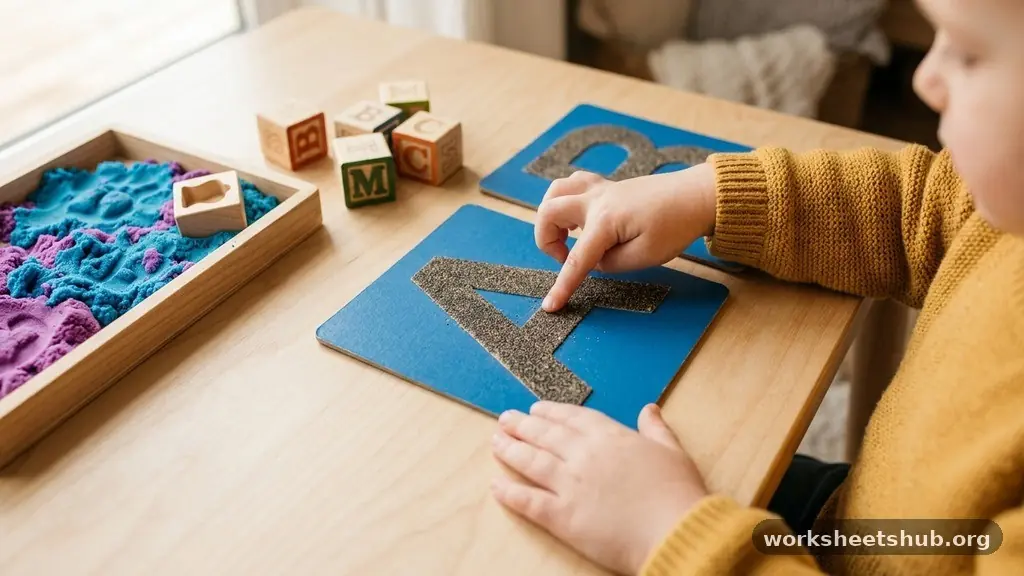
Many children benefit significantly when they move beyond traditional paper-and-pencil tasks. Multisensory learning engages multiple pathways in the brain, helping solidify concepts that might otherwise remain abstract.
For example, forming letters in a tray of sand or salt allows a child to feel the shape of the character while saying its sound aloud. This tactile feedback reinforces the connection between physical movement and cognitive recognition.
You can also use magnetic letters or plastic tiles to build words on a flat surface. Moving the letters physically as the child sounds out a word helps them visualize the structure of the language.
This is particularly useful for children who find standard phonics instruction too stationary or repetitive. By involving the sense of touch, you make the learning process dynamic and significantly more memorable.
Another effective approach is using playdough to sculpt letters or short words. The resistance of the dough provides a sensory experience that helps ground the child during practice.
When they finish a word, have them trace the letters with a finger while repeating the sounds. This combination of tactile and auditory input supports better retention of letter-sound correspondence over time.
Integrating Sight Word Recognition into Daily Play
Sight word recognition is a pillar of reading fluency that often requires consistent, low-stakes repetition. Rather than drilling lists of words on flashcards, try hiding words around the living room.
Write common sight words on sticky notes and place them on household objects. As the child finds each note, they must read the word aloud to collect it.
You can turn this into a timed game or a scavenger hunt to keep the energy high. Another option is to create a “word wall” using a whiteboard or a large piece of poster board where the child can rearrange words to form simple sentences. Seeing these words in a physical space makes them feel less like academic requirements and more like building blocks for communication.
For a more active approach, try using chalk on the sidewalk to write sight words in large letters. Have your child jump to the word you call out, or have them race to find the word that completes a sentence you have started.
These movement-based games reduce the anxiety often associated with traditional reading drills. By keeping the atmosphere light and playful, you help build the familiarity necessary for automatic recognition.
Utilizing Decodable Books for Success
Decodable books are specifically written to include words that follow the phonetic rules a child has already learned. Using these resources is one of the most effective easy reading activities for children who need extra practice because they provide immediate success. Unlike leveled readers that might include complex patterns, decodable texts allow a child to apply their skills directly.
When a child encounters a word they can sound out successfully, their confidence grows. This success acts as a powerful motivator to keep reading.
If you are looking for high-quality resources, the Reading Rockets website offers excellent guidance on selecting books that match a child’s current instructional level. Focus on books that prioritize short, consistent vowel sounds before moving to more complex blends.
It is helpful to read the book together in a shared experience. You can read one sentence, and then invite the child to read the next, providing gentle assistance whenever they stumble.
This scaffolded instruction ensures that the child is challenged but never overwhelmed. Always celebrate the completion of a page to reinforce the idea that reading is a rewarding accomplishment.
Building Fluency through Repeated Reading
Fluency practice is essential for moving beyond the labor of sounding out individual letters. One simple method is to read a familiar, short story aloud to your child, then ask them to read the same passage back to you. The familiarity of the text reduces the cognitive load, allowing them to focus on pacing and expression.
You can also record your child reading a short paragraph and play it back for them. Hearing their own voice improve over a few weeks provides tangible proof of their progress.
Many children find this process encouraging, as they can hear how their speed and clarity change with consistent effort. Focus on short bursts of practice, such as five minutes, to maintain focus and enthusiasm.
Another technique is “choral reading,” where you and the child read the text simultaneously. Your voice serves as a model for pacing and intonation, which helps the child internalize the rhythm of fluent speech.
This removes the pressure of being the sole reader while providing the support of a partner. Over time, you can gradually drop your voice, leaving the child to lead the reading.
Developing Vocabulary and Comprehension
Reading comprehension is the ultimate goal of all literacy efforts, but it often gets lost in the focus on mechanics. To build vocabulary, read aloud to your child from books that are slightly above their independent reading level. Choose stories that feature rich language and engaging plot points to spark their interest.
Pause occasionally to discuss what is happening in the narrative sequencing of the story. Ask simple questions like, “Why do you think the character felt that way?” or “What do you think will happen next?”
These conversations help children connect the words on the page to real-world emotions and sequences. This practice ensures that they are thinking about the meaning of the text, not just decoding the symbols.
You can also create a vocabulary jar where you write down new, interesting words you encounter during reading. Once a week, pull a word from the jar and try to use it in a conversation throughout the day.
This keeps the language fresh and demonstrates that reading is a gateway to a larger world of communication. Focusing on meaning prevents the child from viewing reading as a purely technical, lifeless chore.
Addressing Auditory Processing and Phonics
Some children struggle with reading because they have difficulty distinguishing between subtle sounds. Auditory processing exercises can be integrated into daily life without requiring formal study materials. Play “I Spy” using sounds instead of visual traits, such as “I spy something that starts with the /b/ sound.”
This simple game builds phonemic awareness by forcing the child to isolate individual sounds within words. You can also play rhyming games during car rides or while preparing dinner. Rhyming helps children recognize that words share common sound patterns, which is a foundational skill for later spelling and reading success.
If you suspect that auditory processing is a significant barrier, keep the instructions for your activities clear and concise. Use visual cues alongside verbal ones to ensure the child fully understands the task.
By strengthening these listening skills, you provide a stronger foundation for the more complex task of reading. Always keep the atmosphere supportive to ensure the child feels safe making mistakes.
Tracking Progress with Simple Data
Keeping track of progress can be highly motivating for both the child and the parent. A simple chart or table can help you visualize growth, which is often harder to see on a day-to-day basis. Below is an example of a tracking method you might use to monitor basic literacy milestones.
| Activity Type | Frequency | Goal |
|---|---|---|
| Sight Word Games | Daily | Recognize 5 new words/week |
| Decodable Books | 3x Weekly | Read one book independently |
| Rhyming Practice | Occasional | Identify 10 rhyming pairs |
| Read-Aloud Time | Daily | Discuss story themes |
Use this data to celebrate small milestones rather than focusing on long-term goals. For example, if the child reaches their weekly goal for sight words, offer a small, non-material reward like choosing the next bedtime story.
Seeing these numbers improve provides a sense of agency to the child. It transforms the abstract concept of “getting better” into something concrete and measurable.
Frequently Asked Questions
How long should daily reading practice last?
For children who need extra support, it is best to keep sessions short and focused. Aim for 10 to 15 minutes of dedicated, high-engagement practice rather than a long, grueling hour. This prevents burnout and keeps the child’s motivation high. Consistency is far more important than the duration of a single session.
What if my child gets frustrated during practice?
Frustration is a natural part of the learning process, but it should be a signal to pause or switch tasks. If your child becomes upset, stop the activity and return to it later with a lighter approach. You might also try a “sandwich” method: start with an easy task, do the challenging work, and finish with a game they enjoy. Always validate their effort rather than just their accuracy.
When should I seek professional help for reading?
If you notice that your child is consistently struggling despite regular, consistent practice over several months, it may be time to speak with a teacher or a reading specialist. They can provide a more formal assessment to see if there are underlying issues that require specific intervention. Early support can make a significant difference in a child’s academic journey.
Are digital apps useful for extra reading practice?
Digital apps can be a great supplement to traditional methods because they often use gamification to keep children engaged. However, they should not replace human interaction, which is crucial for building reading motivation and comprehension. Use apps as a reward or a change of pace rather than the primary method of instruction.
How do I know if a book is too difficult?
A good rule of thumb is the “five-finger rule.” Have your child read a page, and for every word they struggle to read, they hold up one finger. If they reach five fingers by the end of the page, the book is likely too difficult for independent reading at that moment. Choose a book that feels slightly easier so they can focus on fluency and confidence.
Refining Your Approach to Literacy
Finding the right mix of easy reading activities for children who need extra practice requires patience and a willingness to adapt. Every child learns at their own pace, and success often comes in small, incremental steps. By focusing on multisensory experiences, consistent fluency practice, and meaningful vocabulary discussions, you create an environment where learning feels safe and achievable.
Remember that your primary role is to serve as a supportive partner in their development. Celebrate the small victories, keep the sessions short, and always prioritize the child’s confidence over the speed of their progress.
With a steady hand and a positive attitude, you will find that these activities help foster a lifelong love of reading. Stay engaged, remain consistent, and enjoy the process of watching your child gain the skills they need to succeed.