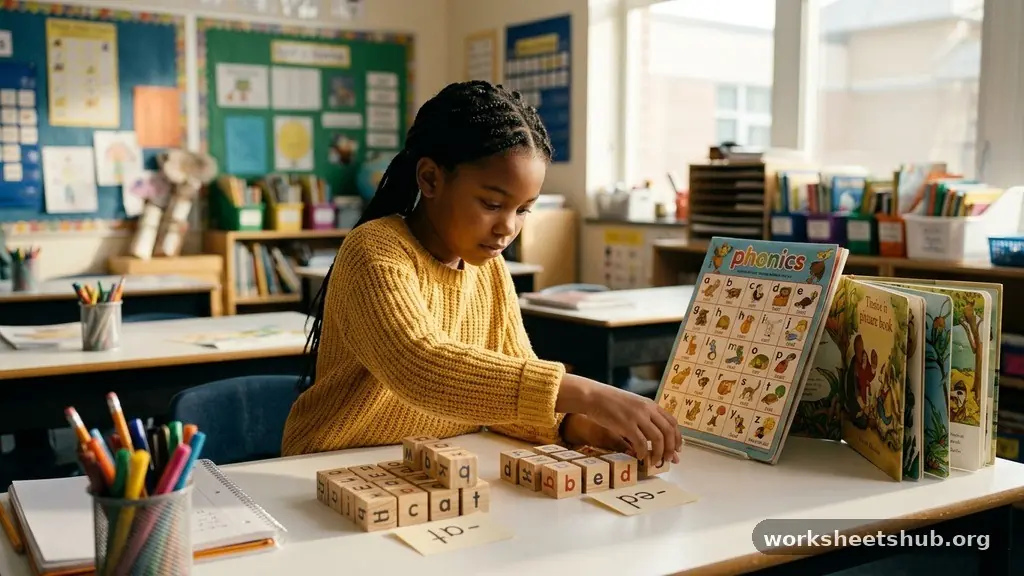
Finding easy Spelling Practice Methods That Keep Learning Interesting is the key to turning a dreaded chore into a daily habit. When students view orthographic patterns as a puzzle rather than a list of rules, they engage more deeply with language acquisition. By incorporating movement, technology, and visual cues, you can move away from repetitive rote memorization.
This shift not only builds confidence but also improves long-term retention of complex vocabulary. Whether you are supporting a struggling reader or looking for ways to spice up a classroom routine, these approaches prioritize curiosity over pressure.
The Science Behind Effective Spelling
Understanding how the brain stores written words is essential for successful instruction. Most learners move through stages of development, beginning with phonics and transitioning into deeper orthographic mapping.
This process involves connecting the sounds of a word to their specific letter representations. When a child understands why a word is spelled a certain way, they no longer need to rely on visual memory alone.
Building Blocks of Literacy
Phonics serves as the bedrock for early spelling success. By mastering sound-letter correspondences, students gain the tools to decode and encode unfamiliar words.
Once this foundation is secure, focusing on word families helps learners group similar patterns together. This prevents the cognitive overload of memorizing every word as an isolated unit.
The Role of Morphology
As students advance, morphology becomes the most efficient tool in their arsenal. Learning about root words, prefixes, and suffixes allows them to unlock the meaning and spelling of dozens of related terms.
For example, understanding that “struct” relates to building makes spelling “construction” or “instruction” much easier. This structural approach turns spelling into a logic game rather than a test of memory.
Multisensory Learning Techniques
Engaging multiple senses simultaneously reinforces memory pathways in the brain. When a student writes a word in sand, traces it in shaving cream, or builds it with magnetic letters, they are creating a physical memory.
This is particularly beneficial for kinesthetic learners who struggle with traditional pen-and-paper tasks. These tactile experiences make the abstract concept of spelling feel concrete and manageable.
Movement and Memory
Incorporating physical activity into study sessions can break the monotony of desk work. You might have a student jump for each letter or clap out syllables before writing them down.
These rhythmic motions help internalize the sequence of letters within a word. It is a simple way to keep energy levels high while focusing on accuracy.
Visual and Auditory Integration
Visual learners benefit from color-coding different parts of a word. You can use a red marker for vowels and a blue one for consonants to highlight the internal structure.
Simultaneously, saying the letters aloud while writing them creates an auditory loop. Combining these inputs helps cement the spelling pattern into the long-term memory.
Integrating Technology and Gamification
Modern tools offer a unique way to sustain interest through immediate feedback. High-quality spelling apps provide a structured environment where students can earn points or advance levels based on their progress.
This form of gamification rewards consistency rather than just perfection. When a student sees their progress tracked on a screen, they are often more motivated to continue.
Utilizing Typing Games
Typing games are an excellent way to bridge the gap between spelling and digital literacy. By requiring students to type out words to progress in a game, you are reinforcing spelling while building muscle memory.
Many of these platforms are designed to adapt to the user’s skill level, ensuring that the challenge remains appropriate. This prevents the frustration that comes from material being too hard or too easy.
Digital Dictation Tools
Dictation remains a powerful practice method, and technology makes it more accessible than ever. You can record lists for students to write down at their own pace, allowing them to pause and replay as needed.
This removes the performance anxiety often associated with live dictation in a classroom. It also allows for a focus on self-correction, which is a critical component of learning.
Creating Custom Word Lists
Generic lists often fail because they lack personal relevance. When students choose words that appear in their favorite books or reflect their daily hobbies, their investment increases significantly.
You can encourage them to keep a “word journal” where they record interesting terms they encounter throughout the day. This makes the practice feel like a personal project rather than an assigned task.
The Power of High-Frequency Words
While custom lists are engaging, sight words must remain a core component of any curriculum. These are the words that appear most frequently in English and often do not follow standard phonetic rules.
Grouping these into small, manageable sets prevents the student from feeling overwhelmed by the sheer volume of exceptions. Consistency is more important than speed when mastering these tricky terms.
Strategies for Categorization
Sorting words by their common features helps students identify patterns independently. You might have them sort words by their ending sounds, vowel teams, or prefixes.
This analytical work encourages them to look at the internal structure of words. It is a much more effective use of time than simply writing each word ten times.
Comparing Traditional vs. Modern Practice
The shift from rote memorization to active engagement is clearly visible when comparing different methods. The following table highlights why modern approaches often yield better long-term outcomes for students.
| Method | Primary Focus | Engagement Level |
|---|---|---|
| Rote Copying | Muscle memory | Low |
| Digital Games | Pattern recognition | High |
| Morphology Study | Root word analysis | Medium |
| Tactile Tracing | Physical sensory | High |
Effective Mnemonic Devices
Mnemonics are clever memory aids that help students remember difficult spellings through association. A classic example is the phrase “Big Elephants Can Always Understand Small Elephants” to remember the spelling of “BECAUSE.”
These devices work because they create a narrative link that the brain can easily retrieve. The sillier the mnemonic, the more likely it is to stick.
Customizing Associations
Encourage students to create their own mnemonics for the words they find most challenging. This ownership ensures that the association is meaningful to them personally.
When a student spends time crafting a story or an acronym for a word, they are already practicing its spelling. It turns a mental struggle into a creative exercise.
Visual Mnemonics
Sometimes a drawing is more effective than a sentence. If a student struggles with the word “separate,” you could have them draw an ‘a’ in the middle of the word to represent an apple.
These visual cues act as mental anchors. They provide a quick way to verify the spelling without having to look it up in a dictionary.
Preparing for Competitive Environments
Many students enjoy the challenge of a friendly spelling bee. These events can be highly motivating if they are framed as a celebration of language rather than a test of failure.
The key is to provide plenty of preparation time and focus on the joy of learning new vocabulary. It is important to emphasize that everyone makes mistakes, even the best spellers.
Building Confidence Through Practice
Preparation for these events should mirror the friendly nature of the competition. Use flashcards, oral quizzes, and partner practice to build comfort with public performance.
Keep the sessions short to avoid burnout. Remember that the ultimate goal is not the trophy, but the increased confidence in one’s own literacy skills.
Resources for Further Learning
For those looking to expand their knowledge on how children learn to spell, the Reading Rockets website provides excellent research-backed resources. Their materials cover everything from phonemic awareness to advanced orthography. Utilizing such expert-vetted information ensures that your practice methods are grounded in solid educational theory.
Frequently Asked Questions
How often should spelling practice happen?
Consistency is more important than duration. Aim for 10 to 15 minutes of focused, fun practice four or five days a week. Short bursts prevent fatigue and keep the engagement levels high.
What if a student gets frustrated with difficult words?
Take a step back and move to a simpler word family for a day or two. Frustration often occurs when the challenge level exceeds the current skill set. Remind them that learning is a process of small, incremental gains.
Are spelling apps really effective?
Yes, when used as a supplement to other methods. They provide an excellent way to track progress and offer repetitive practice that feels like play. However, they should not replace reading and writing in real-world contexts.
How do I know if a method is working?
Look for improvement in the student’s writing, not just their test scores. If they begin to apply correct spelling patterns to their own creative work, you know the information has been internalized. Confidence and willingness to try new words are the best indicators of success.
Should I focus on spelling or grammar first?
They are deeply intertwined, but it is often helpful to focus on spelling patterns while reading and writing. As students become more comfortable with the structure of words, grammar naturally becomes easier to address. Do not feel the need to perfect both at the same exact time.
Conclusion
Creating a positive environment for language development is the most significant step you can take. By utilizing these easy Spelling Practice Methods That Keep Learning Interesting, you transform a potentially dry subject into a vibrant exploration of words. Whether you choose to use digital tools, tactile activities, or creative mnemonics, the goal remains the same: building a lasting relationship with the written language.
Encourage curiosity, celebrate the small wins, and remember that every student develops at their own unique pace. If you keep the process light and engaging, you will find that spelling becomes a skill they use with pride rather than a source of stress. Keep experimenting with these techniques to see what resonates most with your unique learners.